The Current Status and Market Dynamics of the Smart Furniture Industry
In recent years, the smart furniture industry has experienced rapid growth driven by the integration of digital technology and home life. As a key segment of the smart home market, it has gradually moved from a niche product category to the mainstream, catering to the increasing demand for convenience, comfort and intelligence among modern consumers. Globally, the smart furniture market size has been expanding year by year, with Asia-Pacific emerging as the fastest-growing region due to the large population base, rising disposable income and accelerating urbanization process.
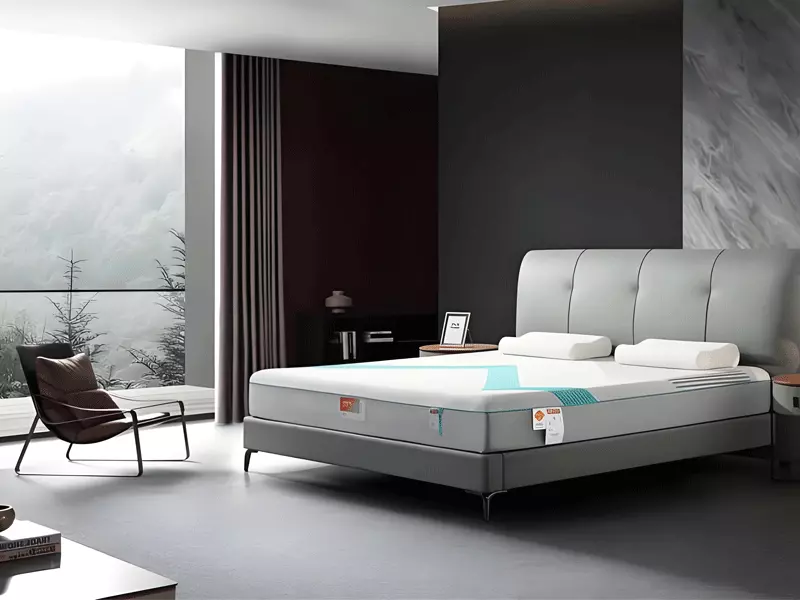
At present, the product range of smart furniture is becoming increasingly diverse, covering living rooms, bedrooms, kitchens, studies and other home scenarios. Common products include smart sofas with massage and heating functions, intelligent beds that monitor sleep quality, voice-controlled wardrobes and smart dining tables with built-in charging ports. These products not only enhance the practicality of traditional furniture but also add intelligent elements to improve the quality of life. In terms of market competition, both traditional furniture enterprises and emerging technology companies are actively deploying the smart furniture field, forming a pattern of fierce competition and mutual promotion.
However, the industry still faces some challenges. The high price of smart furniture products has become a major barrier to market popularization, especially for middle and low-income groups. In addition, the lack of unified industry standards leads to poor compatibility between products of different brands, affecting the user experience. Despite these problems, with the continuous advancement of technology and the gradual reduction of production costs, the smart furniture industry is expected to maintain a steady growth trend in the next few years.
